September 16, 2026
Owning an imported vehicle can be rewarding, especially when you appreciate the engineering, performance, and driving experience it provides. However, servicing an import often requires a more specialized approach than maintaining a typical domestic vehicle. European makes in particular may use unique components, service intervals, diagnostic systems, and manufacturer-specific procedures that affect how maintenance and repairs should be handled. Mechanics who work on imports regularly know that many expensive problems can be reduced or avoided when drivers understand what their vehicles actually need. From using the correct fluids to addressing warning lights quickly, a few informed habits can make a major difference. If you own a BMW, staying proactive about maintenance and scheduling professional service when needed can help protect performance, reliability, and long-term value.
Following the Recommended Maintenance Schedule
One of the most important things your mechanic wants you to know is that the maintenance schedule exists for a reason. Imported vehicles are engineered around specific service intervals for oil changes, filters, fluids, spark plugs, belts, and other components. Skipping these intervals can allow wear to build gradually, even if the vehicle still seems to be running normally. Some drivers wait until a dashboard warning appears before scheduling service, but preventive maintenance is usually most effective when performed before a noticeable problem develops.
For BMW owners, following the manufacturer-recommended schedule can also help technicians identify developing concerns early. During routine service, a mechanic may notice fluid seepage, worn suspension parts, deteriorating hoses, or other issues before they become major failures. That is especially important because BMW repairs can become more involved when several related components are affected at once. Keeping records of completed services also gives your technician a clearer picture of what has been maintained and what may be due next. Those records can also prevent duplicate work and make it easier to compare current findings with previous inspections. When maintenance history is incomplete, your mechanic may need to spend additional time establishing a baseline for the vehicle.
Using the Correct Fluids and Parts
Imported vehicles often have precise requirements for engine oil, coolant, transmission fluid, brake fluid, and other service materials. Using a product that seems similar is not always enough. A fluid may meet a general viscosity requirement but still lack the exact manufacturer approval your vehicle calls for. The same applies to filters, sensors, ignition components, and other replacement parts. Mechanics who specialize in imports understand these specifications and can select products that match the vehicle's design.
Using the correct parts and fluids can be particularly important when BMW repairs involve systems that depend on tight tolerances and electronic monitoring. A low-quality sensor, incorrect coolant, or unsuitable oil can create new issues or interfere with how the vehicle operates. While some aftermarket parts are excellent, others may not meet the same standards as original equipment or high-quality equivalent components. Your mechanic can help explain where alternatives are appropriate and where sticking with a specific specification is the better choice. Asking before substituting a fluid or component can save time and help you avoid introducing problems that were not present before the service.
Responding Quickly to Warning Lights
A warning light is not something to ignore simply because the car still feels normal. Modern imports use extensive electronic monitoring to detect changes in engine performance, emissions, braking, cooling, and other systems. In some cases, a light may appear before a driver notices any physical symptoms at all. Delaying diagnosis can allow a manageable problem to develop into something more serious, especially if the warning is related to overheating, low oil pressure, or a drivetrain fault.
Scheduling BMW repairs promptly after a warning appears gives a technician the opportunity to scan the vehicle, review fault codes, and inspect the affected system before additional damage occurs. Diagnostic codes do not always identify the failed part directly, which is why professional testing matters. An experienced mechanic interprets the data along with symptoms, service history, and physical inspection results. Addressing the underlying cause early can help prevent unnecessary parts replacement and more extensive repair work later.
Paying Attention to Small Changes
Your mechanic also wants you to pay attention to changes in how the vehicle sounds, feels, and responds. A faint vibration, occasional hesitation, new rattle, slight fluid smell, or change in steering feel may seem minor at first. However, these symptoms can provide valuable clues about developing wear. Imports are often tightly engineered, so even subtle changes may point to a component that is beginning to deteriorate or a system that is no longer operating within its normal range.
Bringing these observations to your technician can make BMW repairs easier to diagnose. Try to note when the symptom occurs, such as during cold starts, braking, acceleration, highway driving, or turning. The more specific information you can provide, the easier it may be for the mechanic to reproduce the issue and narrow down possible causes. Small changes do not always indicate a major problem, but mentioning them early allows the technician to determine whether monitoring or immediate service is appropriate.
Understanding the Value of Specialized Diagnostics
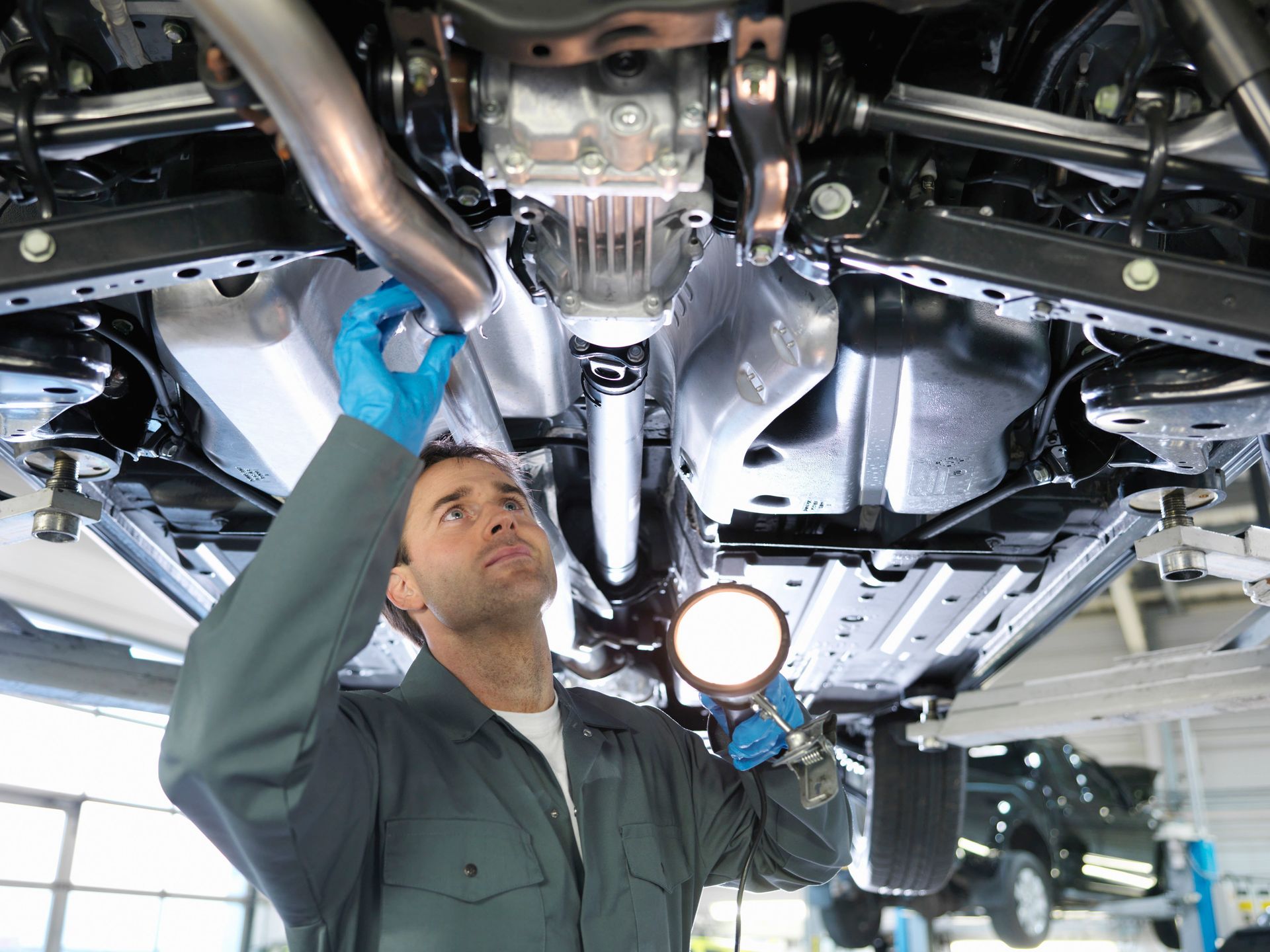
Import vehicles frequently require diagnostic equipment and software designed to communicate with manufacturer-specific systems. A basic code reader may provide limited information, while professional equipment can access additional modules, live data, adaptations, service functions, and system-specific fault information. This level of access is important for modern vehicles because mechanical and electronic systems are closely connected. Accurate diagnosis often depends on understanding both the hardware and the software controlling it.
According to Repair Pal, BMW offers 345 distinct models. That variety helps illustrate why experience with the brand matters when handling BMW repairs. Different models, generations, engines, and drivetrains may have different service needs, common failure points, and diagnostic procedures. A technician familiar with the brand can use model-specific knowledge alongside scan data and physical inspection findings. This can lead to more efficient troubleshooting and help reduce the chance of replacing parts that are not actually responsible for the problem.
Planning Ahead for Wear and Repairs
No vehicle remains maintenance-free indefinitely, and imports are no exception. Components such as brakes, suspension parts, batteries, cooling system pieces, gaskets, belts, and hoses naturally wear as mileage and age increase. Planning for these expenses can make ownership less stressful because you are less likely to be surprised when a technician recommends replacement. Routine inspections can also help you prioritize upcoming needs based on urgency rather than waiting until several problems demand attention at the same time.
For drivers who plan to keep their vehicles for many years, budgeting for maintenance and BMW repairs can support better long-term ownership decisions. A mechanic may be able to tell you which components are showing early wear, which repairs can reasonably wait, and which concerns should be handled sooner. This information lets you plan service around your schedule and budget while protecting reliability. Preventive planning can also help avoid emergency repairs caused by components that were already showing signs of deterioration.
Servicing an import successfully requires more than reacting when something breaks. Following the maintenance schedule, using the correct fluids and parts, responding to warning lights, noticing small changes, relying on specialized diagnostics, and planning for normal wear can all help you take better care of your vehicle. These habits also make it easier for your mechanic to identify problems accurately and recommend service based on the vehicle's actual condition. When BMW repairs are needed, working with technicians who understand the brand's systems and service requirements can help preserve the performance and driving experience you expect from your vehicle. For knowledgeable import maintenance and repair, contact Heritage Autohaus.